

In general, engine speed drops are manifested in two ways: 1. Slight speed drops below 200 rpm. 2. More than 300 RPM speed drop, which is likely to cause the excavator to suddenly flame out. Today, we will discuss the causes and solutions of engine speed drop problems.
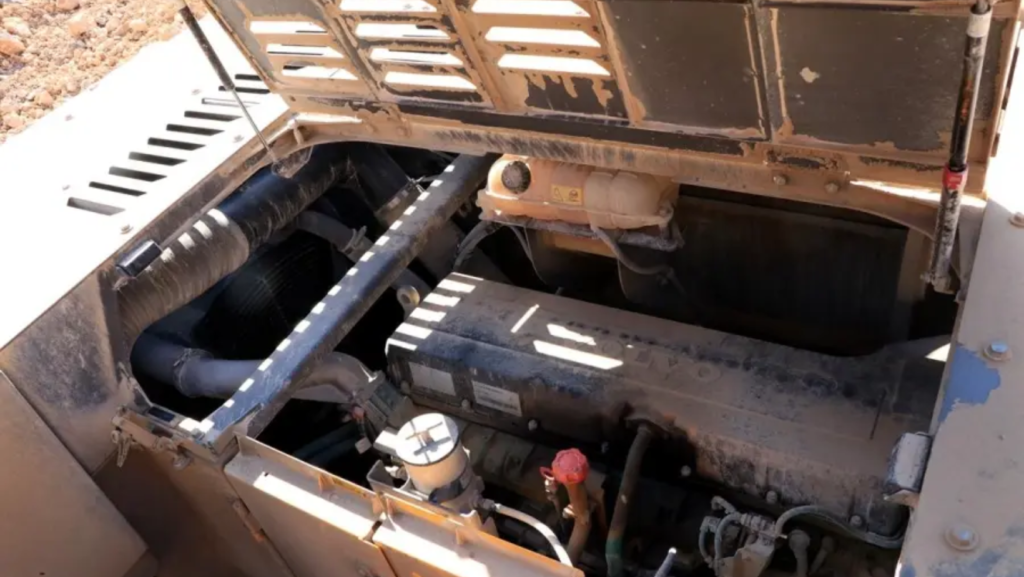
What Causes Excavator Engine Speed Drops?
- Diesel fuel system problems in an excavator often cause engine speed to drop, usually due to fuel line blockages.
- Faults in the hydraulic system can prevent the pump from adjusting displacement properly. This can lead to high pressure, slower speed, and even runaway issues.
- If the engine doesn’t produce enough power—below its rated output—the machine will run at a lower speed.
- Poor fuel quality or high water content in the fuel can reduce engine power and cause a drop in speed.
- Problems in the air intake system, such as leaks or blockages, reduce airflow. This leads to poor combustion, weak performance, and black smoke.
- If the gap in the solenoid valves is too large, it can reduce fuel supply and cause the engine speed to drop.
- Loose connections or damaged fuel lines can cause leaks or allow debris to enter the system. This results in poor fuel supply and lower engine speed.
- Other issues can also cause speed drop, such as incorrect valve clearance, wrong injection timing, a damaged turbocharger, or brake problems.
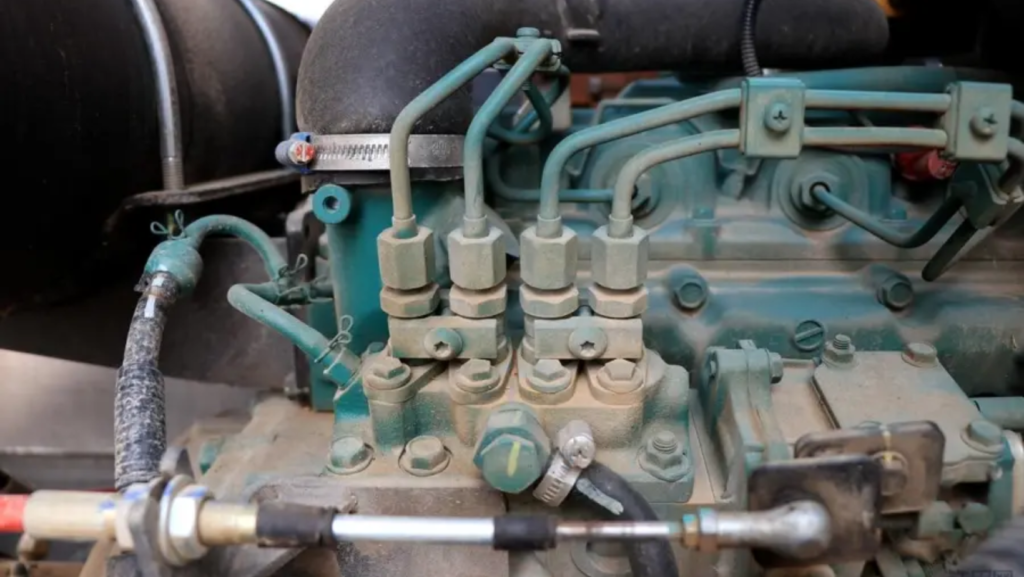
What Should We Do When the Engine Speed Drops?
- Firstly, check the diesel in the excavator and determine if any impurities have formed in the oil, as well as whether it has a clogged oil circuit.
- Check the engine speed and the valve clearance of the excavator.
- Check and clean the intake line, air pre-filter and element, then restart the engine.
- Check whether the speed drop problem occurs when the excavator is under load?
- Check the engine closely to determine if the speed drop is caused by engine failure.
- It is also necessary to check the electronic control system, the hydraulic system, and the fuel system.
