

The rear main seal keeps engine oil from leaking out around the crankshaft. When this seal starts to fail, oil can leak from the back of the engine and quickly become a serious problem. Even a small leak can get worse fast on hard-working diesel equipment. Oil may spread around the flywheel housing and transmission area, and if the leak is bad enough, the engine can lose a large amount of oil in a short time.
In this guide, we’ll go over the common rear main seal leak symptoms, what causes it, and what equipment owners should do before the problem gets worse.
What Is a Rear Main Seal?
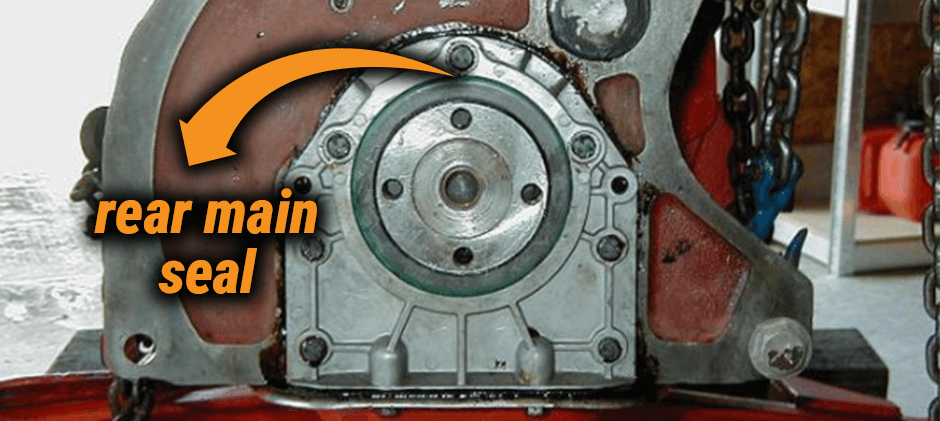
Every engine is fitted with a crankshaft. It turns piston up-and-down movement into rotary power to run the equipment. The crankshaft extends slightly out the engine rear, connecting to the flywheel and transmission. The rear main seal is a round ring installed at the engine rear, fitting tightly around the crankshaft tip.
It has two vital jobs. It locks oil inside the crankcase and keeps outside dirt and debris out of the engine.
This seal is built from tough rubber or silicone material. It can endure hot oil and continuous friction from the spinning crankshaft. Engine oil acts like blood for the motor, lubricating, cleaning and cooling all moving internal parts. The rear main seal plays a key role to keep oil inside the engine safely.
How Serious Is a Rear Main Seal Leak?
Notice oil dripping between the engine and transmission? Let’s see how serious this issue is.
- It can cause total engine breakdown. Diesel engines use plenty of oil, and bad leaks drain oil surprisingly fast. Low oil leaves bearings, pistons and crankshaft without proper lubrication. Excessive heat and friction will lock up the engine. Fixing this costs a fortune and keeps your machine idle for weeks.
- The seal part itself is cheap, yet replacement work costs heavily. Workers need to split the transmission from the engine to reach the seal. This is tough work for regular vehicles, and far harder for heavy excavators and loaders. It needs professional lifting gear, ample space and multiple working days. Long downtime also brings big financial losses.
- Oil leaks on work sites also harm the environment. You have to spend money cleaning spills, and may get fined by authorities. Keeping the site tidy helps you stay compliant and safe.
Symptoms of the Rear Main Seal Leak
It’s not easy to spot rear main seal leaks since the engine rear is hard to see. Still, you can tell the issue from these obvious signs.
Oil dripping from the bell housing: The seal sits right where the engine connects to the transmission bell housing. Once it breaks, oil leaks out and drops from this joint. You’ll find fresh oil pooling on the ground right underneath after parking.
Greasy dirt buildup on the bottom frame: Heavy machines work in dusty sites. Slow leaks stick dirt together and form thick oily grime. Check the joint of the engine and transmission. Heavy oily sludge here while other areas stay dry means a leak exists. The spinning flywheel splashes oil all over the bell housing too.
Frequent oil level drop: If you have to refill oil regularly, you definitely have a bad leak. Rear main seal damage is a frequent cause of steady oil loss. Track your oil refilling frequency; more frequent top-ups mean the leak is getting worse.
Slipping clutch and oil contamination: For machines with manual gearboxes or dry clutches, leaked oil soaks the clutch plate and leads to slipping. You may notice engine speed rises but the machine fails to pick up speed, or smell burning clutch odor. These are typical signs of oil contamination.
You need to tell this leak apart from other common ones.
- Oil seeps down the engine side if the valve cover gasket fails.
- Oil pan gasket leaks show traces around the bottom pan edge.
- Rear main seal leaks start inside the bell housing, which sets it apart from external engine leaks.
What Causes a Rear Main Seal Leak?
Rear main seals rarely break down randomly. Knowing common causes helps you spot issues early and avoid damage.
- Regular wear is the top cause. After long hours of use, heat and crankshaft friction harden the rubber or silicone seal. It turns brittle and cracks, losing sealing performance over time.
- Long idle time also harms the seal. If the machine stays unused for months, the seal dries up. It easily cracks or rips once you restart the engine.
- Too much pressure inside the crankcase is another major trigger for modern diesel engines. The crankcase ventilation system releases built-up internal pressure. Once its filter gets blocked by carbon and oil mist, trapped pressure forces oil out through weak seals, including the rear main seal. Seal displacement is a typical sign of excessive internal pressure.
- Worn main bearings bring hidden risks. These parts hold the crankshaft steady. Worn bearings make the shaft shake slightly, creating uneven pressure on the seal and wearing it out fast. Such leaks usually point to serious internal engine faults.
- Bad installation also leads to early failure. The seal has to be fitted straight and fully seated. Wrong mounting during repairs shortens its service life. Even tiny scratches on the seal can cause oil leaks.
Conclusion
You can catch issues early by watching out for warning signs. Regular fluid checks serve as the best protection. Repairs take time and effort, yet they cannot be overlooked.
Whether you need new seals, filters to fix pressure issues, or crankshafts, shop all you need conveniently at FridayParts.
