

In the off-road machinery industries, identifying whether a power steering pump or the rack and pinion is bad is crucial for maintaining operational efficiency and safety. Misjudging the source of steering problems can lead to unnecessary downtime, increased repair costs, and potential safety hazards. So, without further ado, having a quick look at these components and their interactions is essential for diagnosing issues accurately and promptly.
Power Steering Pump and Rack and Pinion
The power steering pump and the rack and pinion work together to provide smooth and efficient steering. The pump supplies hydraulic fluid under pressure to the steering rack, reducing the effort required to turn the wheels. If either component fails, the steering performance can be severely compromised. Understanding the symptoms of each component’s failure is essential for accurate diagnosis and timely repair.
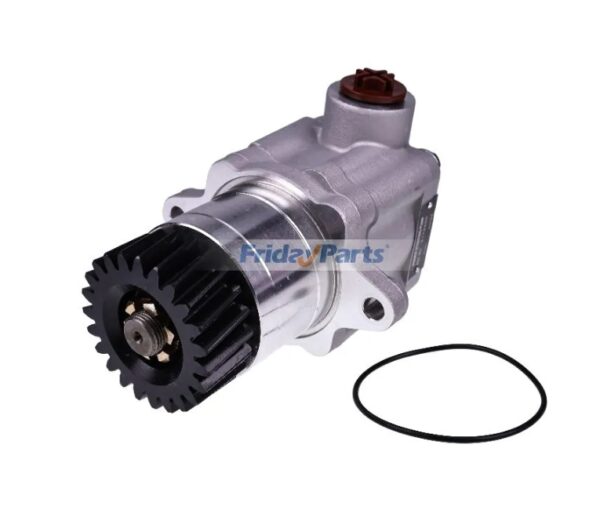 Power Steering Pump vs. Rack and Pinion
Although they work as one system, the power steering pump and the rack and pinion fail in different ways.
- Power steering pump (pressure source): creates hydraulic flow/pressure. When it’s weak (or the system is sucking air), you’ll usually notice noise + heavy steering, often worse at idle.
- Rack and pinion (control + mechanical actuator): converts steering wheel input into left/right movement and uses hydraulic pressure to assist. When it fails, you’ll often see play/looseness, uneven assist, leaking at the rack, or wandering, even if the pump is fine.
Note for off-road equipment: some machines use hydrostatic steering (steering control unit + cylinder) instead of a rack-and-pinion. The diagnosis logic is similar (pressure source vs. steering unit/cylinder), but parts and test points differ.
How to Tell If a Steering Pump Is Bad or the Rack and Pinion?
First, identify the symptoms of their breakdown to properly solve the problem. Now see if your device has any of the following conditions:
Symptoms of a bad power steering pump
- Whining or groaning noises: This is a common sign of a failing power steering pump, especially when turning the steering wheel. If you find this sign, it means low hydraulic fluid levels or air in the system.
- Increased steering effort: If the steering wheel becomes noticeably harder to turn, maybe the pump is not providing sufficient hydraulic pressure.
- Fluid leaks: Leaking power steering fluid around the pump or the reservoir can lead to reduced system performance and increased steering effort.
- Burning smell: A burning smell may suggest that the power steering fluid is overheating, potentially due to a failing pump.
Symptoms of a failing rack and pinion
- Steering wheel play: Excessive play or looseness in the steering wheel can indicate wear in the rack-and-pinion assembly.
- Grinding noise: A grinding noise when turning the steering wheel often indicates damaged gears in the rack-and-pinion.
- Uneven tire wear: If the rack and pinion are not functioning correctly, it can lead to misalignment and uneven tire wear.
- Steering fluid leaks: Leaks from the steering rack area can indicate damage to the rack and pinion seals, leading to a loss of hydraulic fluid and steering performance.
How to Diagnose?
A. Signs it’s more likely the power steering pump
1. Steering is heaviest at idle, and improves when RPM increases
- Typical of low pump output or belt slip.
2. Whining/groaning that changes with engine speed (especially while turning)
- Often pump cavitation, aerated fluid, or a worn pump.
3. Foamy fluid or bubbles in the reservoir
Air entering on the suction side (loose clamp, cracked hose, bad O-ring at inlet), which can mimic a “bad pump.”
4. Noise + hot/burnt-smelling fluid after short operation
Pump working too hard, internal wear, or restriction causing heat.
Quick confirmation tips:
- Check belt tension/condition and pulley alignment (a slipping belt can act like a bad pump).
- With the engine running, inspect the reservoir: foam = air, dark/burnt = overheating/wear.
B. Signs it’s more likely the rack and pinion
1. Steering wheel play, wandering, or clunking
- Points to rack wear or inner tie-rod/rack issues, not the pump.
2. Assist is uneven left vs. right (one direction is noticeably harder)
More consistent with rack/spool valve/internal rack issues or mechanical binding.
3. Fluid is leaking from the rack area
- Especially if rack boots (bellows) are wet or filled with fluid → strong sign the rack seals are failing.
4. Grinding/knocking while turning that doesn’t track engine RPM
- Often mechanical wear/damage in rack components (or linkage/joints).
Quick confirmation tips:
- Inspect rack boots and housing for wetness.
- Check front-end steering joints (ball joints/tie rods) for binding—mechanical binding can be mistaken for rack failure.
Confirming the issues
1. Inspection
Check for visible signs of fluid leaks around the power steering pump and the rack and pinion. Inspect the belts driving the pump for wear or damage.
2. Listen for noises
Pay attention to any unusual noises when the engine is running and while turning the steering wheel. Different noises can help pinpoint the source of the problem.
3. Check fluid levels
Ensure that the power steering fluid is at the correct level. If you find low fluid, it can cause both the pump and the rack to malfunction.
4. Test steering response
Turn the steering wheel with the engine running and note any increased effort or unusual resistance. Compare this with the symptoms listed above to narrow down the issue.
Final Thoughts
Understanding the functions and symptoms of power steering pump and rack and pinion failures allows you to make informed decisions, keeping your machinery in optimal condition. Regular inspections and timely replacements can prevent costly repairs and ensure smooth operation. If any symptoms arise, address them immediately to avoid escalation. Replacing faulty parts with FridayParts’ high-quality aftermarket parts will enhance the longevity and reliability of your equipment. Don’t let minor issues become major problems, as you know, proactive maintenance is key to uninterrupted performance.
