

As the scorching summer arrives, is your excavator ready for the first heat wave? Heat can significantly impact the performance and lifespan of your excavator, leading to operational inefficiency and costly repairs. So, how can you ensure proper summer excavator maintenance to keep it running smoothly? FridayParts has some tips for you!
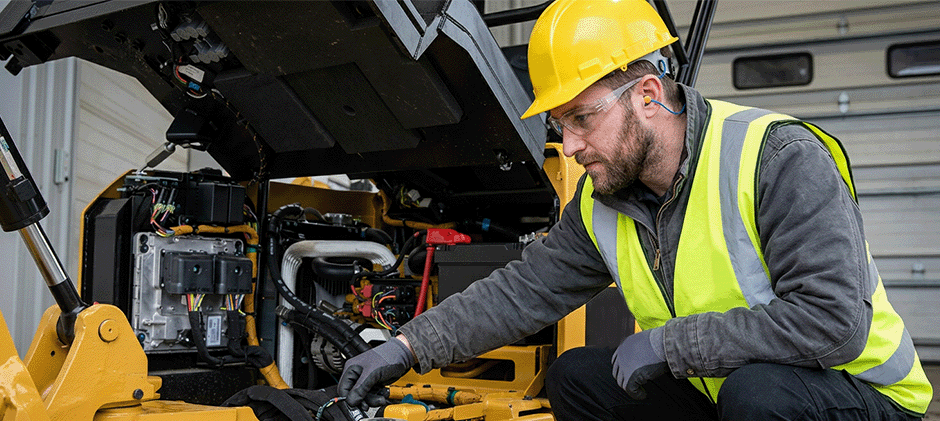
Understanding the Impact of Heat on Your Excavator
The temperatures rise in the summer months, making it crucial to ensure your excavator remains cool and functional. However, the excessive heat can lead to accelerated wear and tear, engine overheating and hydraulic failure, thus bringing about costly repairs and downtime. Besides, the excavator’s structural integrity may be compromised over time, posing safety threats to operators and bystanders. So, how can you brace for the summer heat?
Best Excavator Maintenance Tips for This Summer
Here are several tips to help your excavator stay cool and productive throughout this hot season. We’ll list the tips by system.
Engine System: Prevent Overheating
Engine overheating can reduce the integrity of your excavator. It is crucial to prevent engine overheating this summer.
- Check and replace coolant: Make sure the coolant level is within the standard range. If insufficient, you can add the same type of coolant as required in your owner’s manual. Always avoid using a mixed oil of different types. It is recommended to replace the coolant every 500 hours. Read this for How Much Coolant Do I Need?
- Check engine oil and filter: Replace the old engine oil with high-viscosity engine oil designed for summer and replace the oil filter at the same time to prevent debris from blocking the oil passages. Shop for a high-quality oil filters for your excavator.
Hydraulic System: Avoid Fluid Contamination
- Inspect hydraulic oil: Check the conditions of hydraulic oil regularly and replace it if the oil is blackened or contains bubbles. Always choose temperature-resistant hydraulic oil and make sure the oil tank is not obstructed in the ventilation holes.
- Clean the radiator and cooking components: After long periods of operation, debris and dust can build up on the surface of the radiator, hydraulic oil cooler and ac condenser. These deposits can impact heat dissipation efficiency and cause overheating. If the oil temperature alarm is triggered frequently, check whether the cooling fan is operating normally.
Electrical System: Prevent Short-Circuits
- Inspect wiring: Check the battery terminals for oxidation. If it is oxidized, use sandpaper to polish it, followed by applying Vaseline. Also, check the wiring harness to see if it is loose. Always remove water from the control box promptly after rain.
- Ensure proper A/C operation: Monitor your cab intake and A/C filters to keep them clean to reduce stress on the A/C system. You should limit how often you run the equipment’s A/C when the doors or windows are open to reduce the dust that enters these filters. Also, service your A/C before you start working on projects, whether you perform the service in-house or outsource it to a professional. You should also test the A/C once you’ve finished the service. An overloaded A/C needs frequent maintenance, and the system could break down, requiring expensive repairs or a replacement.
Chassis and Structural Components: Preventing “Fatigue Damage”
- Check tracks and idler wheels: Inspect your tracks and idler wheels for sand, soil and gravel that may be lodged in the track plates. Clean the tracks and adjust track tension after operation and apply high-temperature grease to the idler wheels and track rollers to reduce wear.
- Prevent steel structure cracks: Metal expansion and contraction are exacerbated in high temperatures. Regularly inspect welded areas such as the boom and bucket arm for cracks and perform repairs promptly.
- Inspect brakes and prevent tire blowouts: Check braking performance and tire condition regularly to reduce safety risks. Tires can make machinery inoperable if tire pressure gets too low or the tire blows. Check tire pressure daily and visually inspect tires for worn tread or damage. Don’t cool tires or brakes by pouring cold water directly onto them. A sudden temperature change may cause severe damage.
Other Excavator Maintenance Tips in Summer
- Avoid overworking your excavator: It’s vital to prevent using your excavator too much. If you push your excavator past its set performance parameters this summer, it will quickly overheat and break down. Avoid prolonged construction during midday (11:00–15:00). Shut down the machine for 10 minutes every 2 hours to reduce equipment load.
- Allow for adequate cool-down: Let your equipment idle for a few minutes once you’ve finished work rather than turning it off immediately. The standard for turbochargers is a two-minute idle time before the equipment is shut off. During the summer, turbochargers may have a higher engine load, which could drastically increase their RPMs. If the turbocharger isn’t allowed to cool down, the component can become damaged. Remember to park in a cool, dry location and cover exposed parts such as the exhaust pipe to prevent water ingress.
- Keep moving parts lubricated: Since summer temperatures can hit highs for prolonged periods, it is important to stay on top of keeping the excavator’s moving parts lubricated throughout the season. If the lubricating oil and grease break down too much, their viscosity level will lower and they will not be able to do their job. This is why it is necessary to apply more lubricant in the summer months and to do so more frequently.

Daily Summer To-do Lists for Operators
To survive the coming summer, incorporate this specific routine into your daily start-up and shut-down procedures.
Morning Check
- Check the hydraulic fluid level
- Check and clean the debris in the bonnet
- Inspect the hose for weeping
Mid-Day Check
- Check the air intake screens and clear off blockages.
- Shade your excavator during breaks
End of Day
- Clean the Undercarriage
- Refill the fuel tank to reduce the overall thermal load under the bonnet.
Troubleshooting: What to Do When the Alarm Sounds
Despite your best efforts, you might see the temperature light flash or hear the buzzer. Do not panic, and do not shut the engine off immediately. These steps are useful:
- Unload the hydraulics by putting the bucket on the ground
- Reduce the throttle to about 50% to reduce the heat from the engine
- Check the airflow of the air intake or the radiator
- Inspect the hose for leaks and shut down if you see a major leak
- Wait until the gauge drops back to normal operating range before shutting the engine off completely
Once the machine is cool, you must diagnose the root cause. Did you push it too hard? Is the belt slipping? Is the radiator blocked? Remember not to just restart and hope for the best.
Wrapping up
Preparing your excavator for summer involves conducting service and maintenance to ensure its peak efficiency and reliable performance. You may also need to replace the parts that aren’t working properly during the busy summer. FridayParts stocks an extensive selection of high-grade excavator replacement parts, including engine spare parts, cooling system components and more, giving you access to the components you need. We also provide a lot of useful knowledge about excavator troubleshooting, repairs and maintenance on our blogs. Stay tuned to FridayParts and enjoy your smooth operation this summer.
